Creating User-Friendly Shopping Carts for Modern Kitchens in Denmark
Category : bestshopcart |
Sub Category : bestshopcart Posted on 2023-10-30 21:24:53
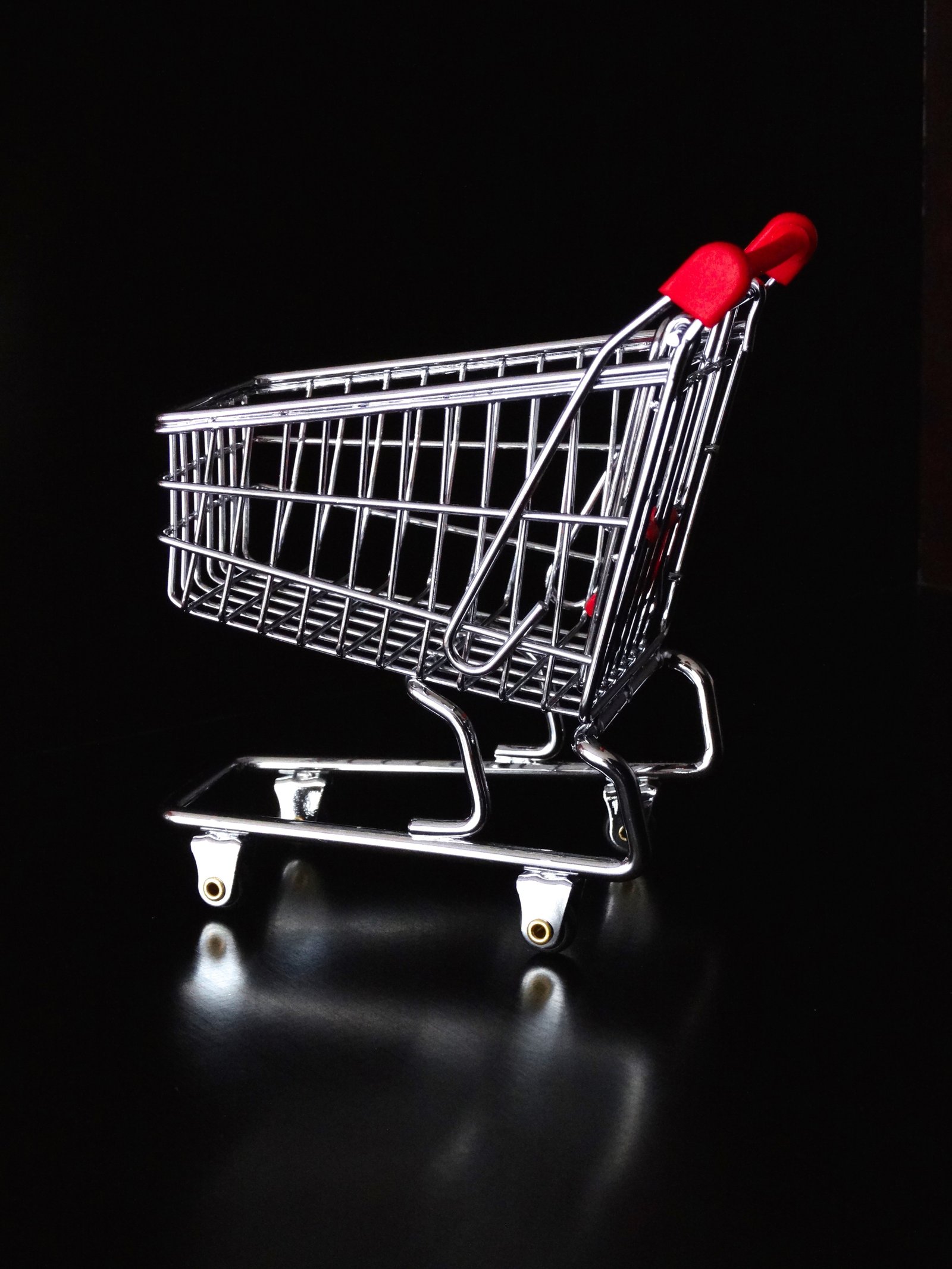
Introduction: In the modern world, kitchens have become more than just a space for cooking. They have transformed into social hubs and gathering places where families and friends interact. As the heart of the home, it is essential to design kitchens that are not only aesthetically pleasing but also highly functional. In this blog post, we will explore the concept of user-friendly shopping carts and how they can enhance the experience of cooking and shopping in kitchens in Denmark. 1. The Importance of User-Friendly Shopping Carts: Shopping carts are an integral part of every kitchen, as they allow us to easily organize and access our cooking essentials. However, traditional shopping carts often lack design considerations that cater to the specific needs of users. By creating user-friendly shopping carts, we can improve efficiency, reduce clutter, and enhance the overall functionality of our kitchens. 2. Ergonomic Design: One of the key elements in designing a user-friendly shopping cart is considering ergonomics. Denmark is known for its focus on human-centric design, and this principle applies to kitchen furniture as well. The shopping cart should be designed to promote ease of use, with features such as adjustable height, smooth-rolling wheels, and comfortable handles. These considerations will ensure that users can navigate their carts effortlessly, even when carrying heavy items. 3. Efficient Organization and Storage: A well-designed shopping cart should provide ample space for storing items, making it easier to keep the kitchen organized. In Denmark, where minimalistic design is highly valued, utilizing space efficiently is crucial. The shopping cart should include compartments, shelves, and hooks for storing utensils, ingredients, and small appliances. This storage system should be flexible, allowing users to adapt it to their specific needs and preferences. 4. Smart Features and Technology: With the advancement of technology, incorporating smart features into shopping carts can further enhance their usability. For example, touch screens or digital displays can be integrated into the cart to create shopping lists, display recipes, or provide cooking instructions. Additionally, smart sensors can help monitor food inventory, suggesting items that need replenishment. These features enable users to have a seamless shopping experience, making their time in the kitchen more efficient and enjoyable. 5. Sustainability and Environmental Considerations: In Denmark, sustainability is a vital aspect of everyday life, and this mindset extends to kitchen design as well. When creating user-friendly shopping carts, incorporating eco-friendly materials and considering their lifecycle impact is essential. Using materials that are easily recyclable or reusable will contribute to reducing waste and promoting a more sustainable kitchen environment. Conclusion: Designing user-friendly shopping carts for modern kitchens in Denmark goes beyond aesthetics. By considering ergonomics, efficient organization, smart features, and sustainability, we can create a truly functional and enjoyable kitchen experience. As kitchens continue to evolve, it is crucial to prioritize the needs and preferences of users to create spaces that are efficient, organized, and adaptable to changing lifestyles. Want to learn more? Start with: http://www.bkitchens.com


