Balancing Data Privacy and NFT Memes in Online Shopping Carts
Category : bestshopcart |
Sub Category : bestshopcart Posted on 2024-09-07 22:25:23
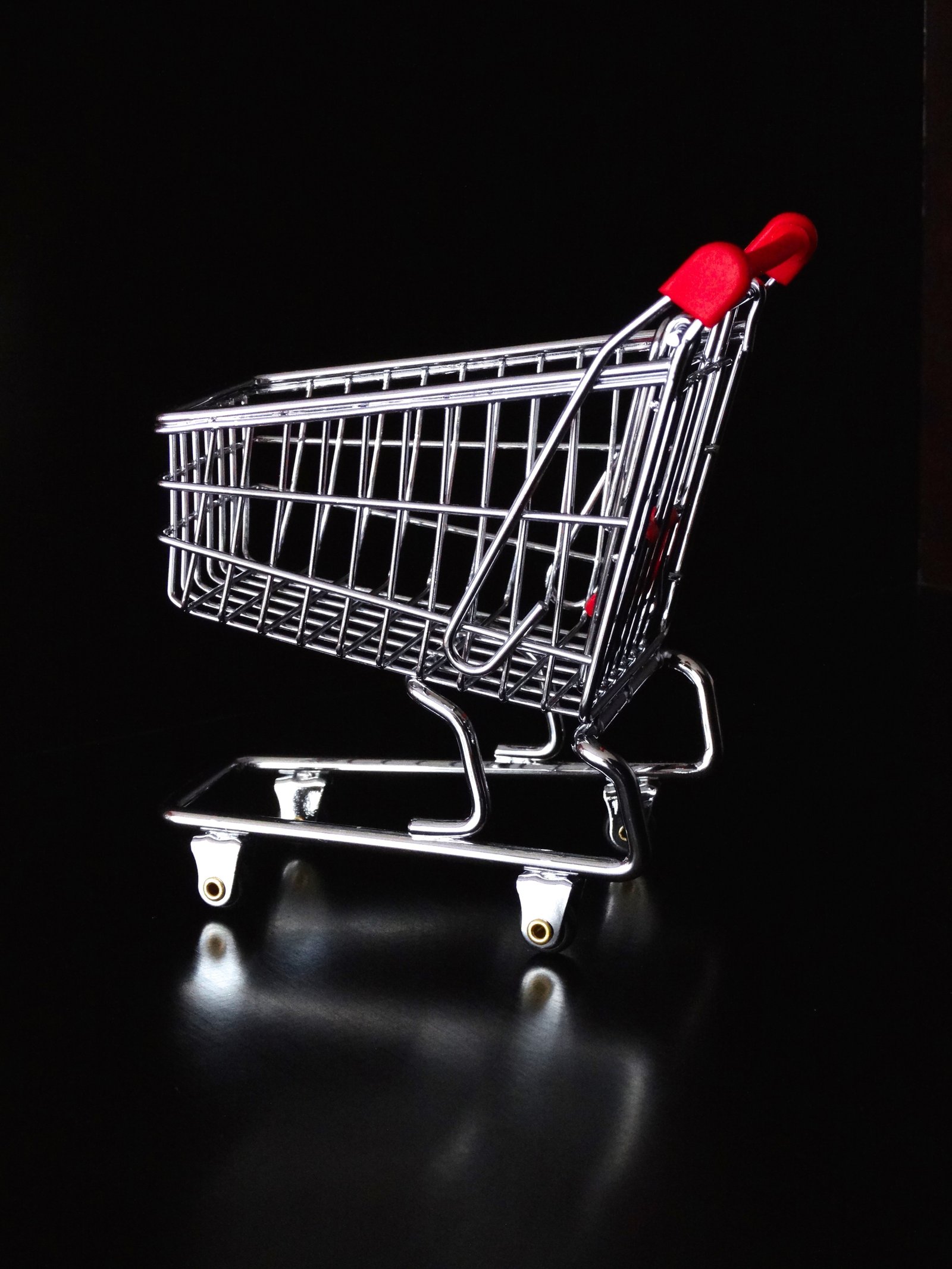
In the modern digital landscape, concerns surrounding data privacy have become increasingly prevalent, especially when it comes to online shopping. As consumers browse through various e-commerce websites and add items to their shopping carts, they are unwittingly sharing a wealth of personal information with retailers. This data includes not only their purchase history and preferences but also their browsing habits, location data, and even sensitive information such as payment details. At the same time, a new trend has emerged in the form of NFT memes, which are non-fungible tokens (NFTs) featuring humorous or satirical images that can be bought, sold, and traded on the blockchain. These digital assets have garnered a loyal following among collectors and enthusiasts who see them as a novel way to express themselves and engage with the online community. The intersection of data privacy and NFT memes in the context of shopping carts raises important questions about how retailers handle customer information and the potential risks and benefits of leveraging NFTs in their marketing strategies. On one hand, consumers are becoming more conscious of their digital footprint and the implications of sharing personal data online. The use of tracking technologies in shopping carts, such as cookies and browser fingerprinting, has sparked debates about privacy violations and the need for more transparent data practices. Retailers must tread carefully to ensure that they are not infringing on their customers' privacy rights or exposing them to potential security breaches. On the other hand, NFT memes offer a creative outlet for self-expression and community-building that can enhance the shopping cart experience. By integrating these digital assets into their platforms, retailers can tap into a growing market of NFT enthusiasts and drive engagement with their brand. However, they must be mindful of the ethical considerations surrounding NFTs, such as environmental concerns related to blockchain energy consumption and the risk of scams and fraud in the NFT marketplace. To strike a balance between data privacy and NFT memes in online shopping carts, retailers should prioritize transparency, consent, and security in their data collection practices. By clearly communicating their data policies to customers, obtaining explicit consent for tracking activities, and implementing robust security measures to protect sensitive information, retailers can build trust and loyalty among their audience. Furthermore, retailers can explore the creative potential of NFT memes while ensuring that they are produced and exchanged ethically. Collaborating with artists and creators who uphold high standards of authenticity and sustainability can help retailers leverage the power of NFTs responsibly and foster a positive and inclusive shopping experience for their customers. In conclusion, navigating the complexities of data privacy and NFT memes in online shopping carts requires a delicate balance between innovation and responsibility. By leveraging technology thoughtfully and ethically, retailers can create a safe and engaging environment for consumers to shop, express themselves, and connect with others in the digital realm.


