Navigating Data Privacy Concerns in Shopping Cart Lighting
Category : bestshopcart |
Sub Category : bestshopcart Posted on 2024-09-07 22:25:23
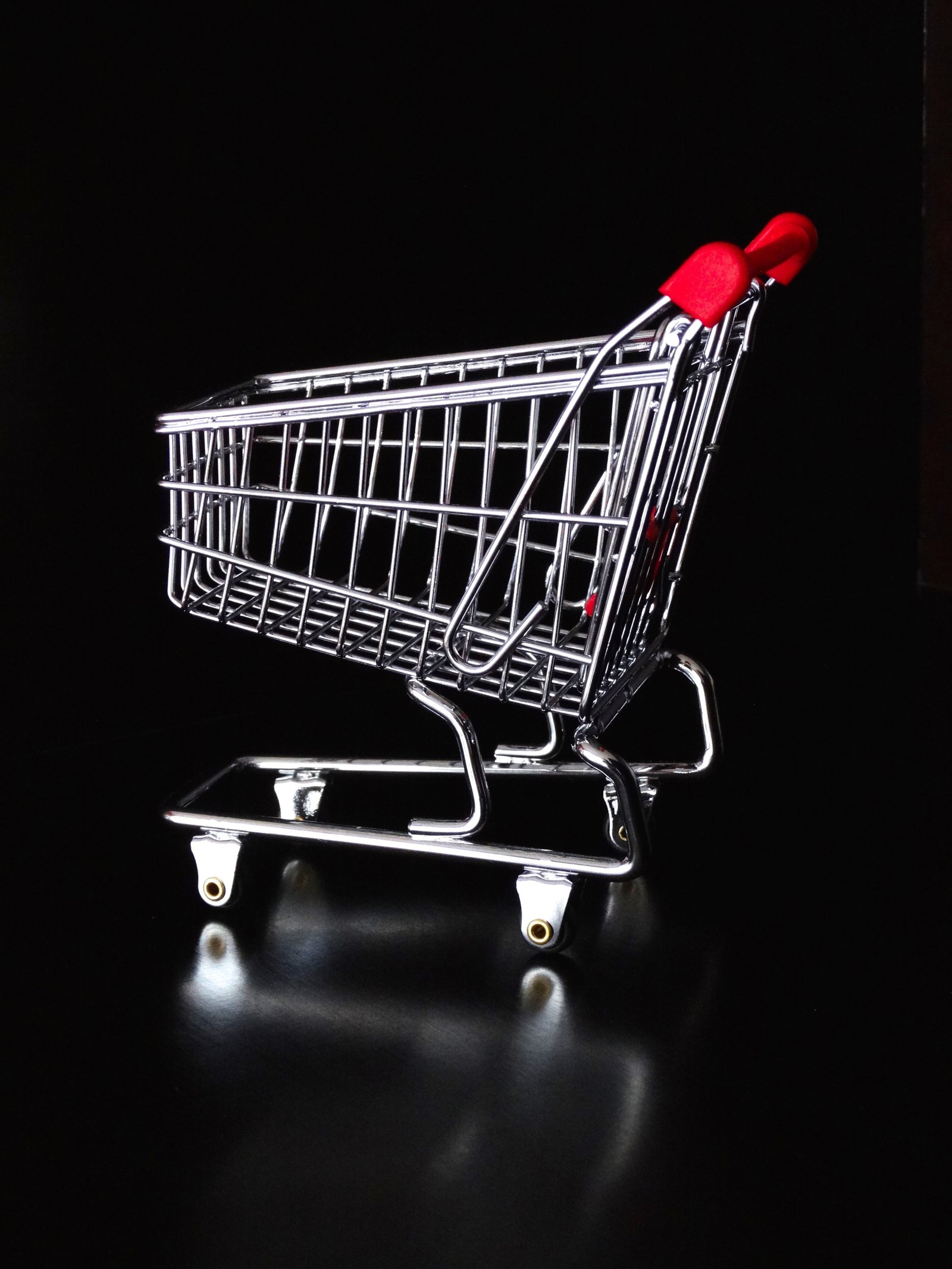
In today's digital age, shopping cart data privacy has become a major concern for both consumers and retailers. As we increasingly rely on technology for our shopping needs, it's essential to address how data privacy intersects with something as seemingly mundane as shopping cart lighting. The use of technology in shopping carts, such as sensors and tracking devices, has revolutionized the shopping experience. These innovations can provide valuable data to retailers, helping them understand consumer behavior and preferences. However, this technology also raises important questions about data privacy and security. One area of concern is the collection of personal information through shopping cart sensors. Retailers may track customers' movements in the store, the items they pick up or examine, and even how long they spend in each aisle. While this data can be valuable for improving the shopping experience, it also raises privacy issues. Shoppers may feel uncomfortable knowing that their every move is being monitored and recorded. Another consideration is the use of lighting in shopping carts. Bright, well-designed lighting can enhance the shopping experience, making it easier for customers to see products and navigate the store. However, the use of smart lighting systems that are connected to a store's data network could potentially collect information about customers. For example, these systems could track how long a customer spends in a particular area based on the lighting patterns. To address these data privacy concerns, retailers must be transparent about the information they collect and how it is used. Clear privacy policies should outline what data is being collected, how it is being stored and protected, and who has access to it. Customers should have the option to opt-out of data collection if they are uncomfortable with it. Retailers can also take steps to minimize the collection of sensitive data. For example, they can anonymize data whenever possible and only collect information that is necessary for improving the shopping experience. Additionally, they should regularly audit their data collection practices to ensure compliance with data privacy regulations. As consumers, we also play a role in protecting our data privacy while shopping. Being aware of the information that may be collected and taking steps to safeguard our personal information can help mitigate some of the privacy risks associated with shopping cart technology. In conclusion, shopping cart data privacy is an important issue that must be carefully considered as retailers continue to innovate with technology. By prioritizing transparency, minimizing data collection, and empowering consumers to make informed choices about their privacy, we can strike a balance between using technology to enhance the shopping experience and respecting individuals' right to privacy.


